





Burdened property
According to the Scottish Law Commission, a ‘burdened property’ is a property which is affected by a real burden. Where a real burden is 'A perpetual obligation affecting land, usually of a positive or negative character, which can be enforced by neighbouring landowners.'
A ‘benefited property’ is a property which benefits from a real burden. Its owner and certain other parties, such as a tenant, can enforce the burden.
An ‘amenity burden’ is a real burden which protects amenity, for example, by forbidding building or non-residential use.
A ‘community burden’ is a real burden which regulates a group or community of properties and is mutually enforceable by the owners of the properties in the community.
A ‘facility burden’ is a real burden which regulates a common facility such as a common area for recreation, a private road or a boundary wall.
A ‘service burden’ is a real burden which requires the provision of a service such as electricity.
In April 2019, the Scottish Law Commission published as report suggesting that the legislation providing a legal basis for real burdens (section 53 of the Title Conditions (Scotland) Act 2003) following the abolition of feudal tenure was too difficult to apply and needed be reformed. For more information see: Feu charter.
Ref Report on Section 53 of the Title Conditions (Scotland) Act 2003, Scottish Law Commission, April 2019. https://www.scotlawcom.gov.uk/files/8515/5542/7539/Report_on_Section_53_of_the_Title_Conditions_Scotland_Act_2003_Report_254.pdf
See also: Burdens.
[edit] Related articles on Designing Buildings Wiki
Featured articles
Check out some of the best features and news from Designing Buildings as well as key stories from around the web.
Construction Management, 8 July

NEETs crisis drives interest in trades, but apprenticeships barriers remain.
Passive fire protection webinar

MEP services penetration seals.

Where its at podcast (and video) - The role of the Architectural Technologist as an Expert Witness.
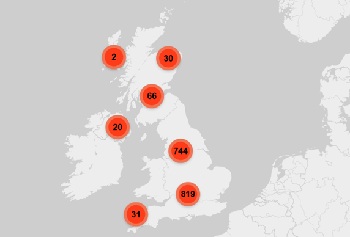
More than 200 remarkable buildings added to SAVE’s Buildings at Risk register.

Government scraps pre-application consultation for Nationally Significant Infrastructure Projects.
Historic England and infrastructure
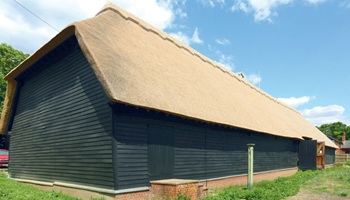
New projects offer opportunities for the historic environment and local communities.
Construction Management, 2 July

Construction deaths halve in two years.
Green Book changes to drive investment in all parts of UK.
Minimum energy efficiency standards (MEES)

CIAT briefing on response to consultations for privately rented non-domestic properties.
Connect, collaborate, shape the future

Registration now live for UK Construction Week Birmingham.

CIOB announces Saul Humphrey FCIOB as new President for 26/27 term.

A quick, simple, and zero-bills solution to prevent overheating.